Dit verhaal is nog niet beschikbaar in het Nederlands — je leest de English versie.
Why Looking Good Can Change How You Feel
Getting dressed is a daily act of self-respect. The science agrees.
Door Noah Achterberg · 7 september 2026 · 7 min leestijd
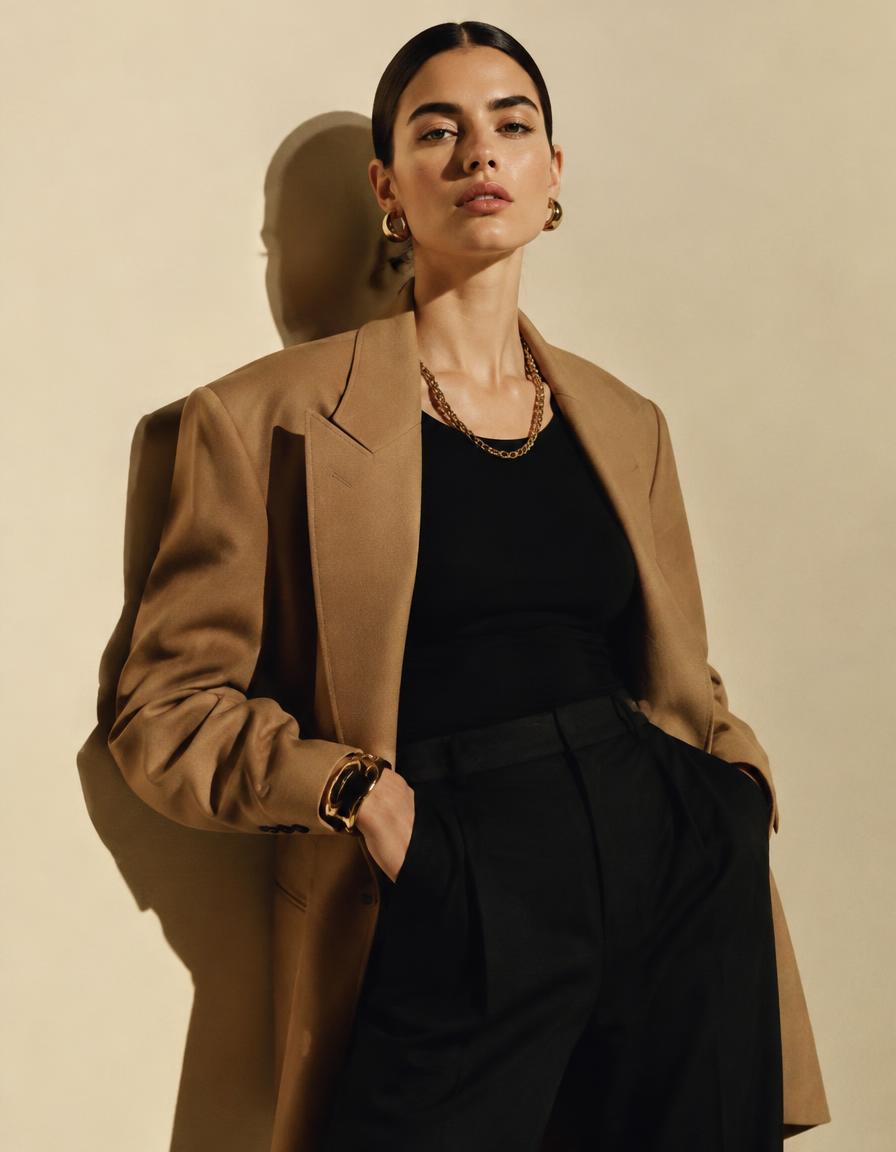
Researchers call it “enclothed cognition”: the idea that what we wear can influence how we think, behave and feel, while also shaping how others perceive us.
But you don't need a psychology paper to know that clothes can change a mood.
There is the particular feeling of putting on something that fits perfectly. The confidence that arrives with a good jacket. The quiet pleasure of wearing a fragrance that feels unmistakably yours.
Sometimes, getting dressed is not about impressing anyone.
It is simply a way of telling yourself:
“I am worth showing up for today.”
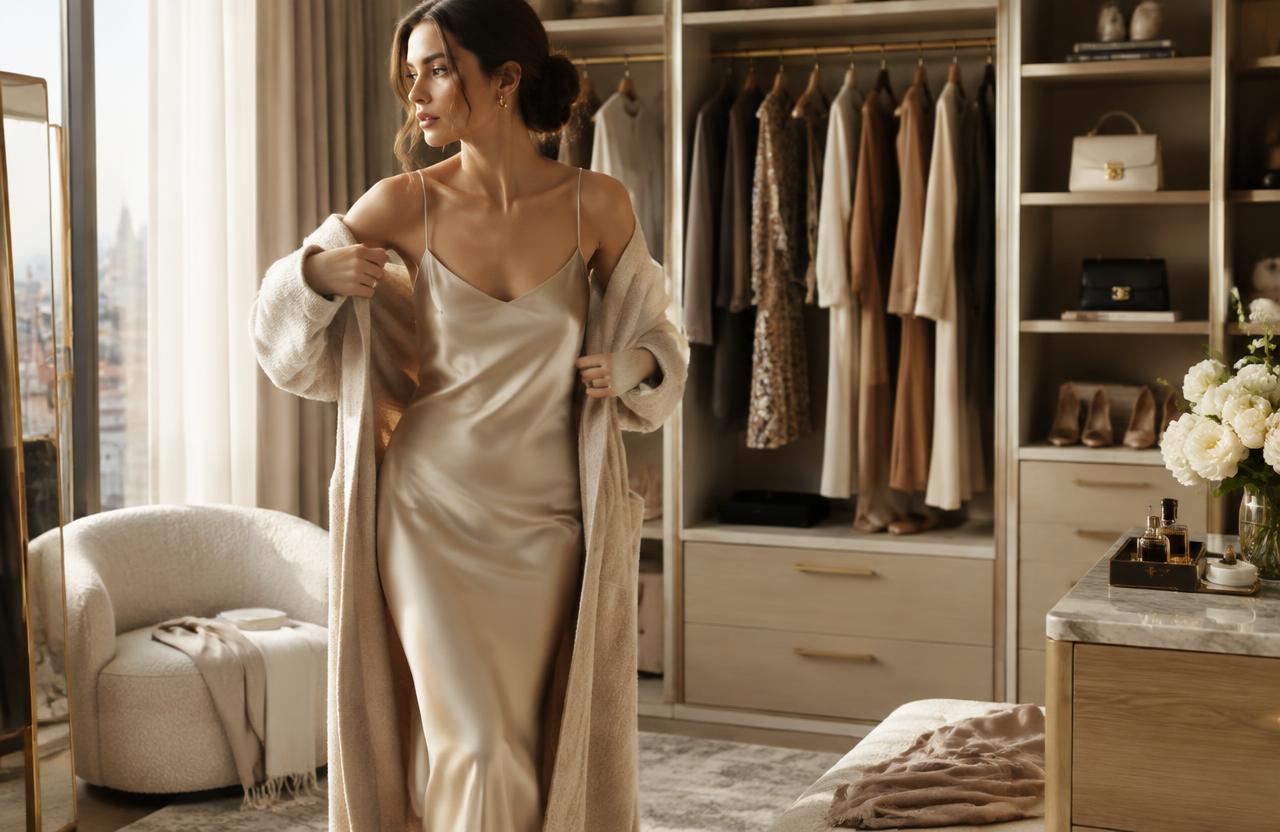
What you wear can change how you move
Clothing does more than sit on the body.
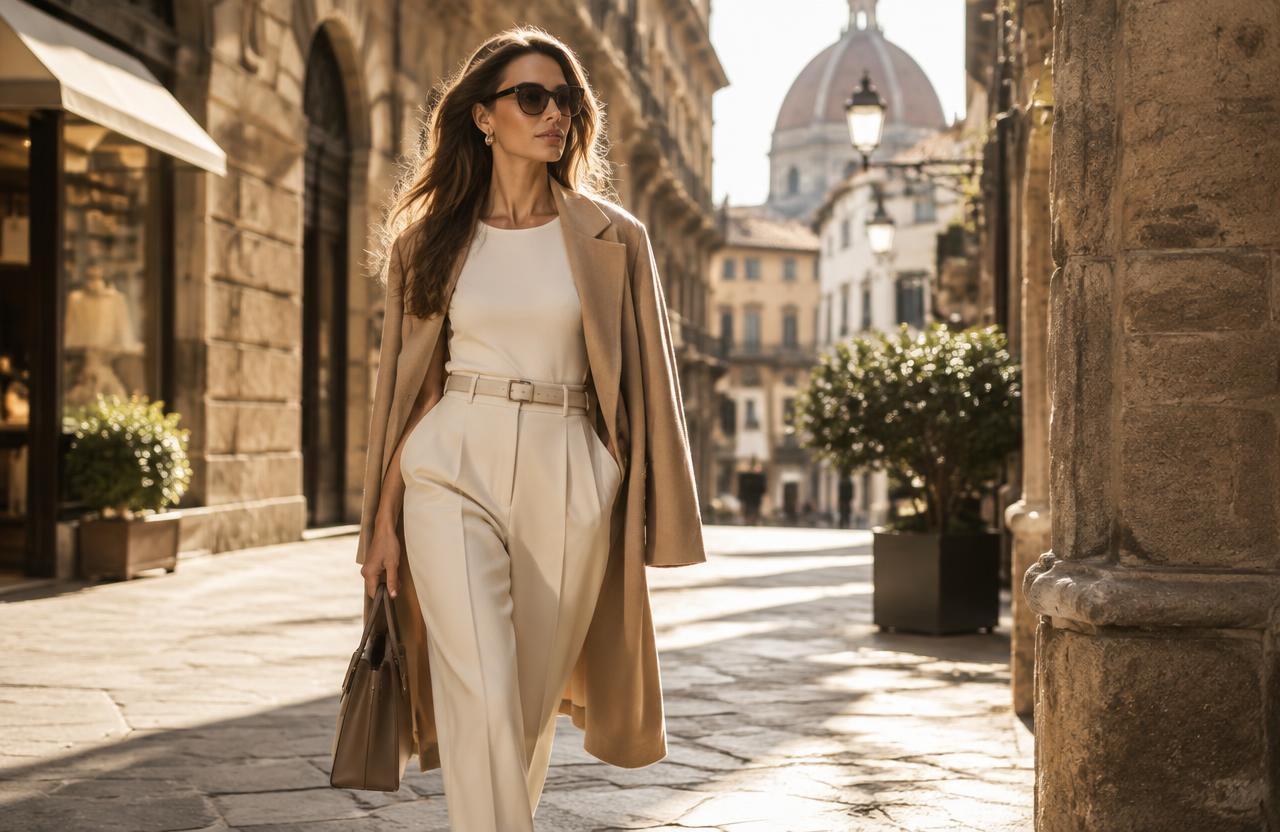
A structured jacket can make you stand a little taller. A flowing dress can change the way you walk. A pair of trousers that fit beautifully can make an ordinary morning feel slightly more considered.
This is part of what researchers have explored through enclothed cognition: our clothing can influence psychological processes associated with the symbolic meaning of what we wear and the experience of wearing it.
We often think of clothing as something other people see.
But some of its most important effects happen before anyone else does.
You know what you are wearing.
You know how it feels.
And that knowledge can subtly change the way you enter the day.
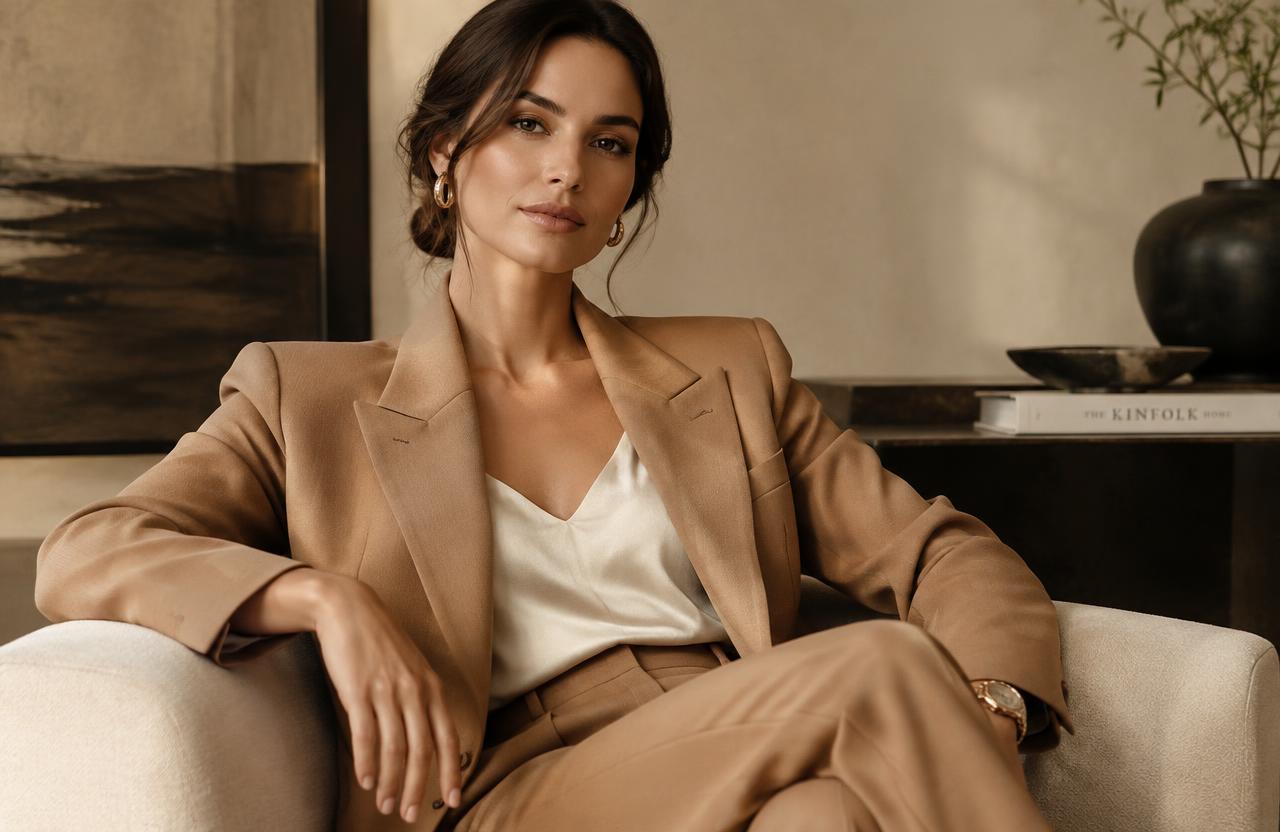
The psychology of getting dressed
Think about the difference between the outfit you put on when you are staying home all day and the one you choose when you have somewhere important to be.
Perhaps your posture changes.
You become more conscious of yourself.
You feel more prepared.
The clothes have not changed who you are. They have simply helped you step into a particular state of mind.
This is why the idea of a “power outfit” can feel so real.
It is not necessarily about looking powerful to everyone else.
It can be about reminding yourself that you feel powerful.
Dressing for the day you actually have
There is also freedom in letting your clothes respond to your life.
A linen shirt on a hot afternoon.
Soft knitwear on a slow Sunday.
A beautifully tailored coat when you need to feel composed.
Sneakers when the day requires movement.
A dress simply because you feel like wearing one.
Good style is not necessarily about following trends. It is about understanding the relationship between what you wear and how you want to experience the day.
Sometimes the most stylish choice is the one that allows you to forget about your clothes entirely.
When something fits well and feels right, you stop adjusting it.
You can concentrate on everything else.
The small details matter
Not every act of getting dressed needs to be dramatic.
Sometimes it is the smallest detail that changes the feeling.
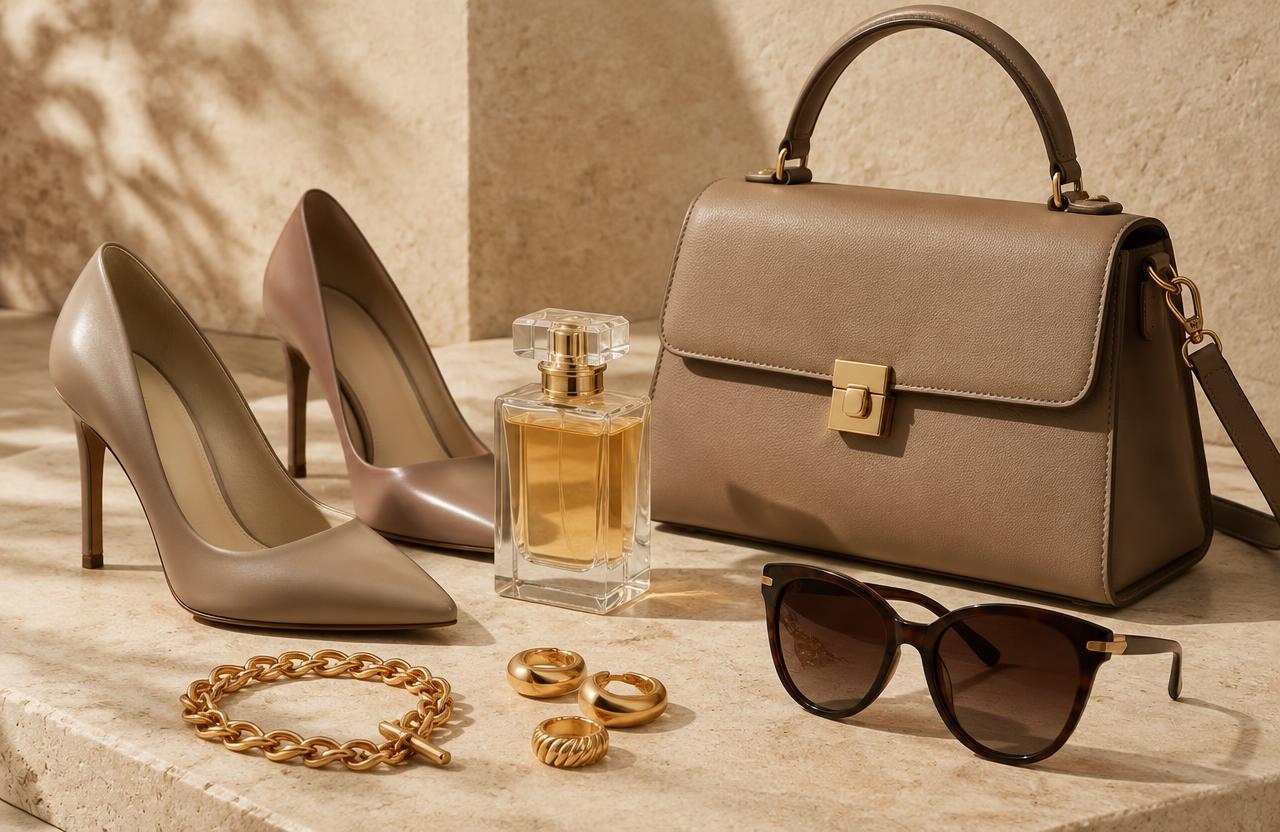
A favourite watch.
A pair of earrings.
Freshly polished shoes.
A beautiful handbag.
The fragrance you reserve for yourself.
These things can function as private signals.
No one else needs to notice.
You know they are there.
And perhaps that is part of their pleasure.
You don't need a new wardrobe
Looking good does not necessarily mean buying more.
In fact, knowing your wardrobe well can be far more powerful.
The blazer that always works.
The trousers you can wear five different ways.
The dress that makes you feel instantly put together.
The earrings you reach for without thinking.
A wardrobe becomes personal when you stop dressing for an imaginary version of yourself and start dressing for the person you actually are.
You learn your proportions.
Your colours.
Your textures.
The silhouettes that make you feel comfortable.
The pieces that make you stand differently.
That knowledge is style.
Dress for the version of yourself you want to meet
There is a useful question to ask before getting dressed:
“How do I want to feel today?”
Not:
“How do I want other people to see me?”
How do you want to feel?
Calm?
Powerful?
Soft?
Creative?
Elegant?
Playful?
Grounded?
Then dress accordingly.
Maybe that means a sharply tailored suit.
Maybe it means a simple white shirt and jeans.
Maybe it means a flowing dress, bare skin and your favourite perfume.
There is no universal answer.
The point is to make the choice consciously.
Style is not vanity
There is a tendency to dismiss an interest in clothing as superficial.
But taking pleasure in your appearance does not mean you are consumed by it.
There is a difference between dressing to receive approval and dressing because you enjoy expressing yourself.
One asks:
“Do they like how I look?”
The other says:
“I like how I feel in this.”
The second is much more interesting.
Clothing can be creative expression. It can connect us to culture, memory and identity. It can mark transitions in our lives.
A first suit for a new job.
A dress worn on a special evening.
A coat inherited from someone you love.
The shoes you bought with your first meaningful paycheque.
We remember the clothes because we remember the lives we were living inside them.
The ritual of showing up
Perhaps this is why getting dressed can matter even on days when nobody is watching.
You make the bed.
You shower.
You moisturise.
You choose something you like.
You put on your fragrance.
You leave the house.
None of these actions are particularly extraordinary.
Together, they can become a quiet declaration:
“I am participating in my own life.”
And maybe that is what self-respect often looks like.
Not grand gestures.
Just small choices that say:
“I am here.
I matter.
This day is worth inhabiting.”
So wear the jacket.
Put on the earrings.
Use the perfume.
Wear the colour you've been saving.
Not because you need to become someone else.
But because you deserve to meet yourself looking and feeling like someone you love.
Lees verder
Wellness
De kunst van tijd maken voor jezelf
Tijd voor jezelf vind je niet. Je maakt hem — rustig, bewust en zonder excuses.
6 min leestijd · 2 oktober 2026
Beauty· EN
What Your Beauty Routine Says About You
The bottles on your shelf are a self-portrait — of what you value, fear and hope for.
7 min leestijd · 28 september 2026
Fitness· EN
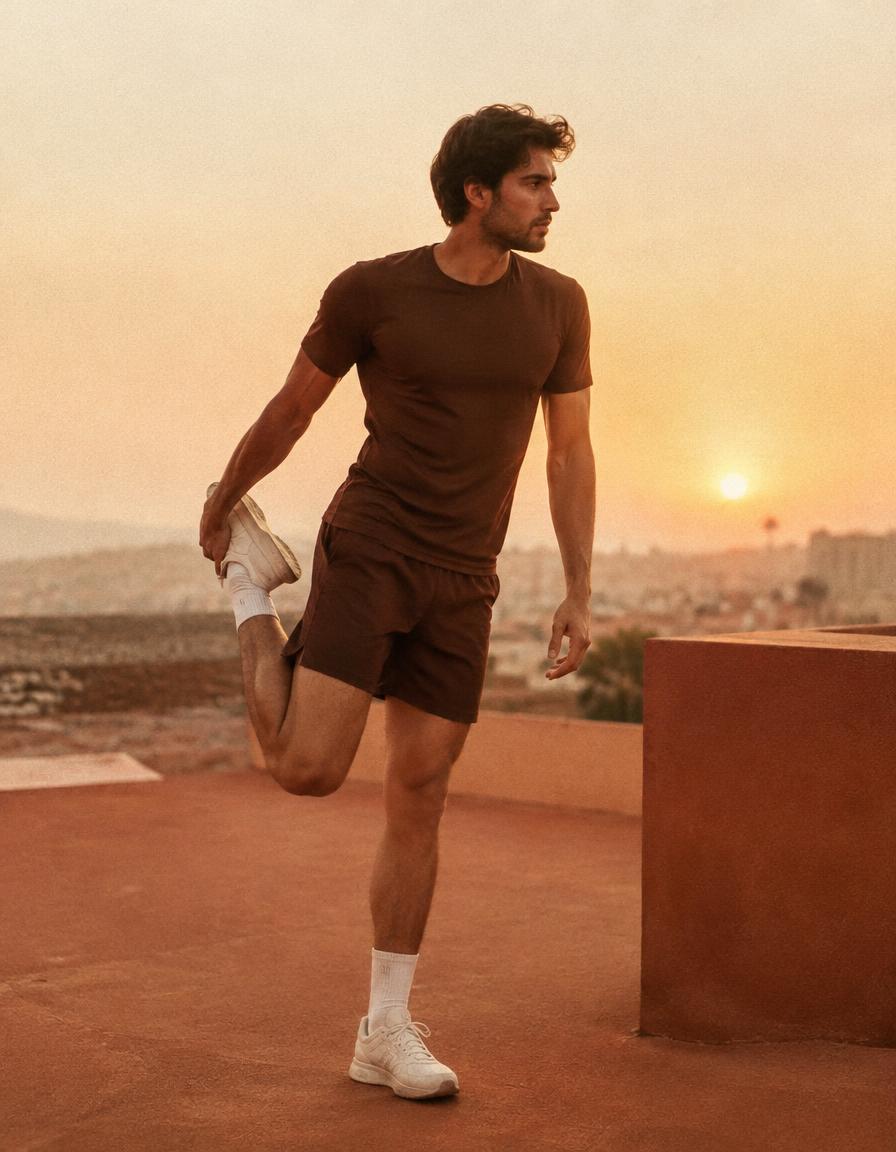
The New Definition of Wellness
Less punishment, more pleasure: why the strongest bodies are built on joy.
7 min leestijd · 14 september 2026
✦
The Kaya Letter
Beauty, wellness, stijl en kleine dingen die het weten waard zijn — af en toe bezorgd.