
Cet article n'est pas encore disponible en Français — vous lisez la version English.
The Quiet Beauty of Andalusia
Where the Mediterranean slows to a gentler rhythm, whitewashed villages meet the sea, and the simplest moments become the most memorable.
Par Lucía Ferrer · 10 octobre 2026 · 8 min de lecture
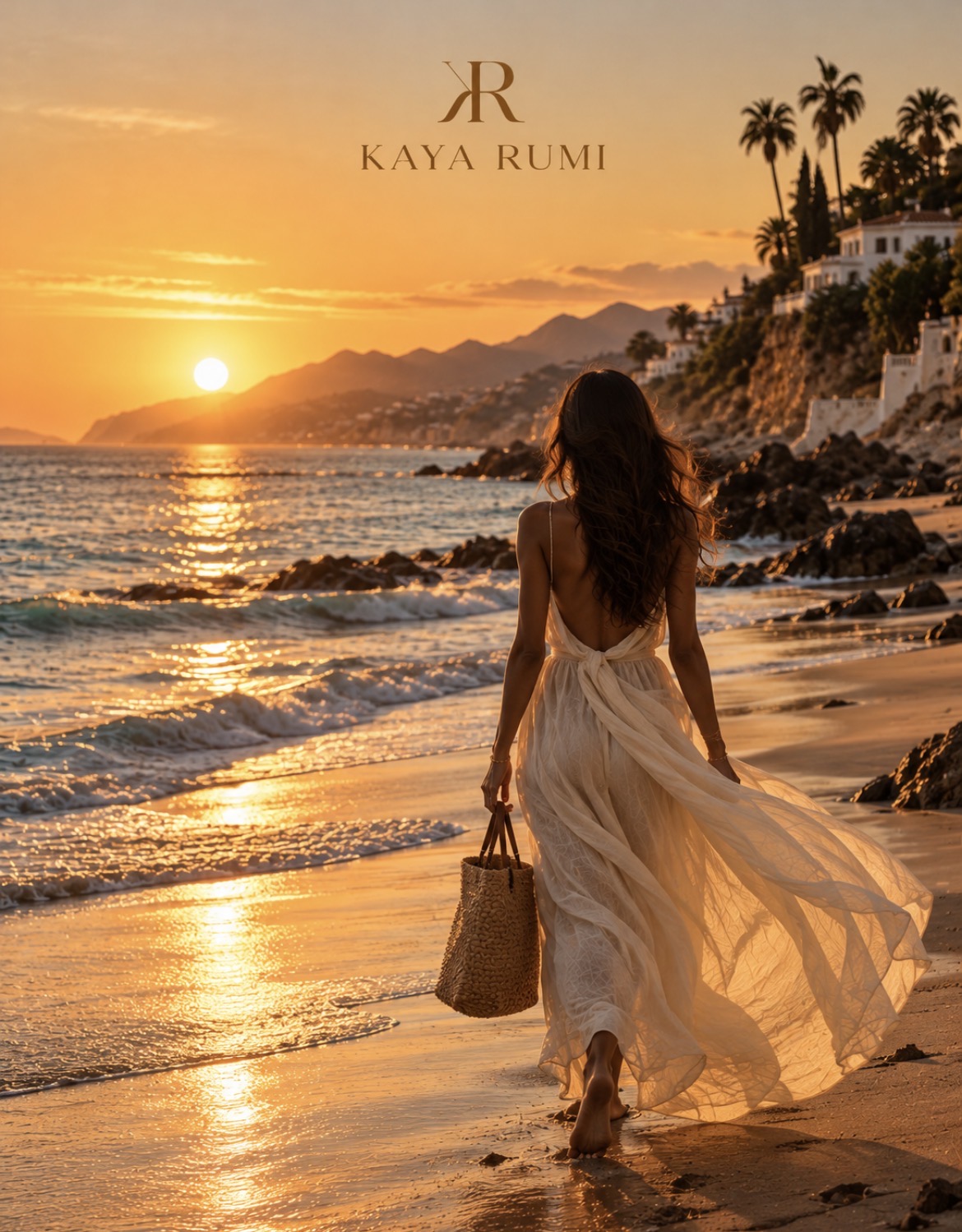
There is a particular kind of light in southern Spain that seems to soften everything it touches. It settles over ancient stone walls, spills across terracotta rooftops and turns the Mediterranean into a sheet of molten gold. In Andalusia, the day often feels less like something to be managed and more like something to be experienced.
Stretching across southern Spain, Andalusia is a region of striking contrasts: Moorish palaces and contemporary galleries, lively cities and sleepy villages, mountain landscapes and long stretches of coastline. Yet beyond its celebrated landmarks, there is another Andalusia worth discovering — one defined by unhurried mornings, simple food, architectural beauty and the pleasure of being somewhere without needing to do very much at all.
For the traveller who values atmosphere as much as itinerary, this is a destination to savour.
The art of arriving slowly
Begin in Málaga, where the Mediterranean provides a fitting introduction to the region. The city combines an inviting waterfront with a historic centre, cultural attractions and an increasingly confident food scene. Spend the morning exploring its old streets, visit the Museo Picasso Málaga or the Alcazaba, and leave the afternoon open for a walk beside the harbour.
The temptation is to treat Málaga as a gateway to somewhere else. Resist it, if time allows. A destination often reveals itself most clearly when you stop treating it as a stopover.
Further along the coast, smaller seaside towns offer a different pace. In Nerja, the old town opens towards the Balcón de Europa, a viewpoint overlooking the Mediterranean. Nearby coves and beaches provide space to swim, read or simply watch the changing colours of the water.
White villages and the beauty of imperfection
Away from the coast, Andalusia becomes a landscape of olive groves, rugged hills and villages whose white façades seem almost luminous against the earth.
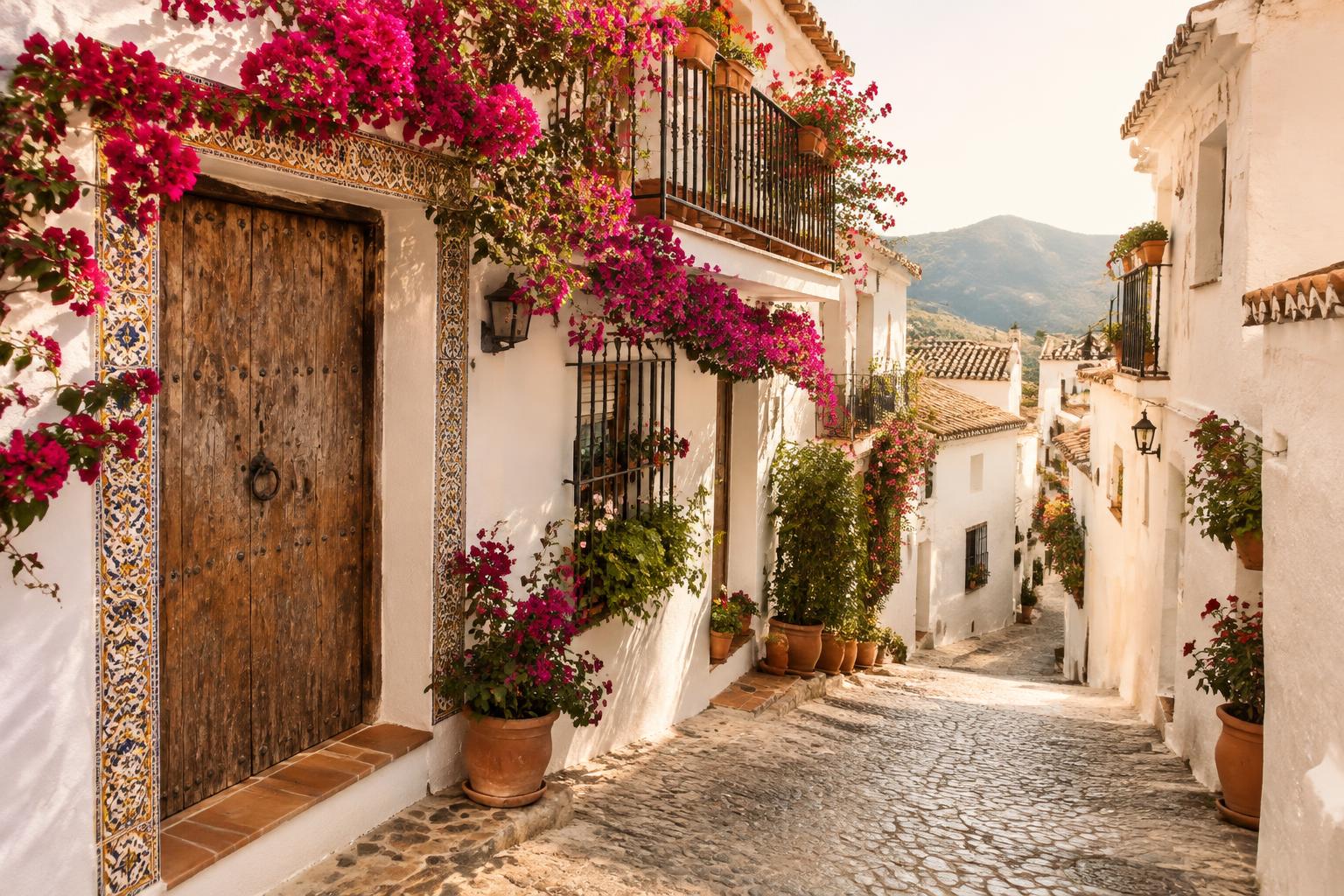
Frigiliana, near Nerja, is known for its narrow, winding streets, traditional architecture and hillside views. It rewards wandering without a strict route: a quiet lane, a flower-filled balcony or a small square can be reason enough to pause.
For a more dramatic setting, Vejer de la Frontera rises above the countryside in Cádiz province. Its whitewashed buildings, historic streets and views across the surrounding landscape offer a different expression of Andalusian beauty.
These places are not polished into uniformity. Their charm lies in the details: weathered doors, uneven stone steps, ceramic tiles and the occasional glimpse of a courtyard behind an open gate. Here, beauty is less about perfection than character.
A table set for the moment
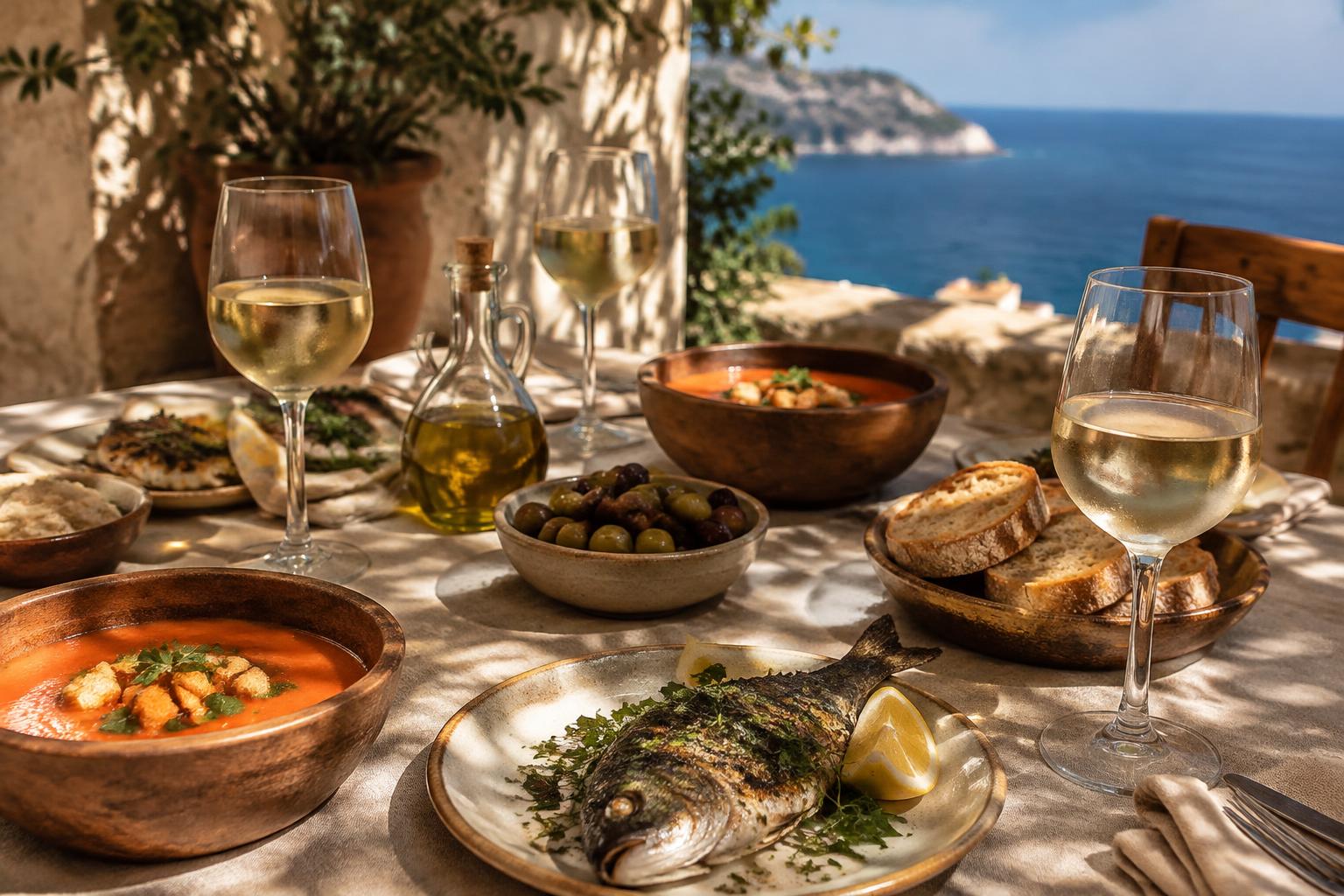
Andalusian cuisine is inseparable from its climate and geography. Along the coast, seafood takes centre stage; inland, olive oil, seasonal vegetables, cured meats and local cheeses shape the table.
Begin with gazpacho or salmorejo, two chilled tomato-based dishes particularly welcome in warmer weather. Order grilled fish by the sea, share small plates over a long lunch, and make room for regional specialities wherever you go. In Granada, tapas culture remains an especially distinctive part of the city’s dining experience.
The best approach is to follow local rhythms rather than force the day around reservations and checklists. A late lunch on a shaded terrace can become the centrepiece of an afternoon. A simple dinner in a quiet square may be more memorable than the most elaborate restaurant.
And then there is the ritual of coffee: a small pause between one place and the next, with nowhere urgent to be.
Dressing for the Andalusian light
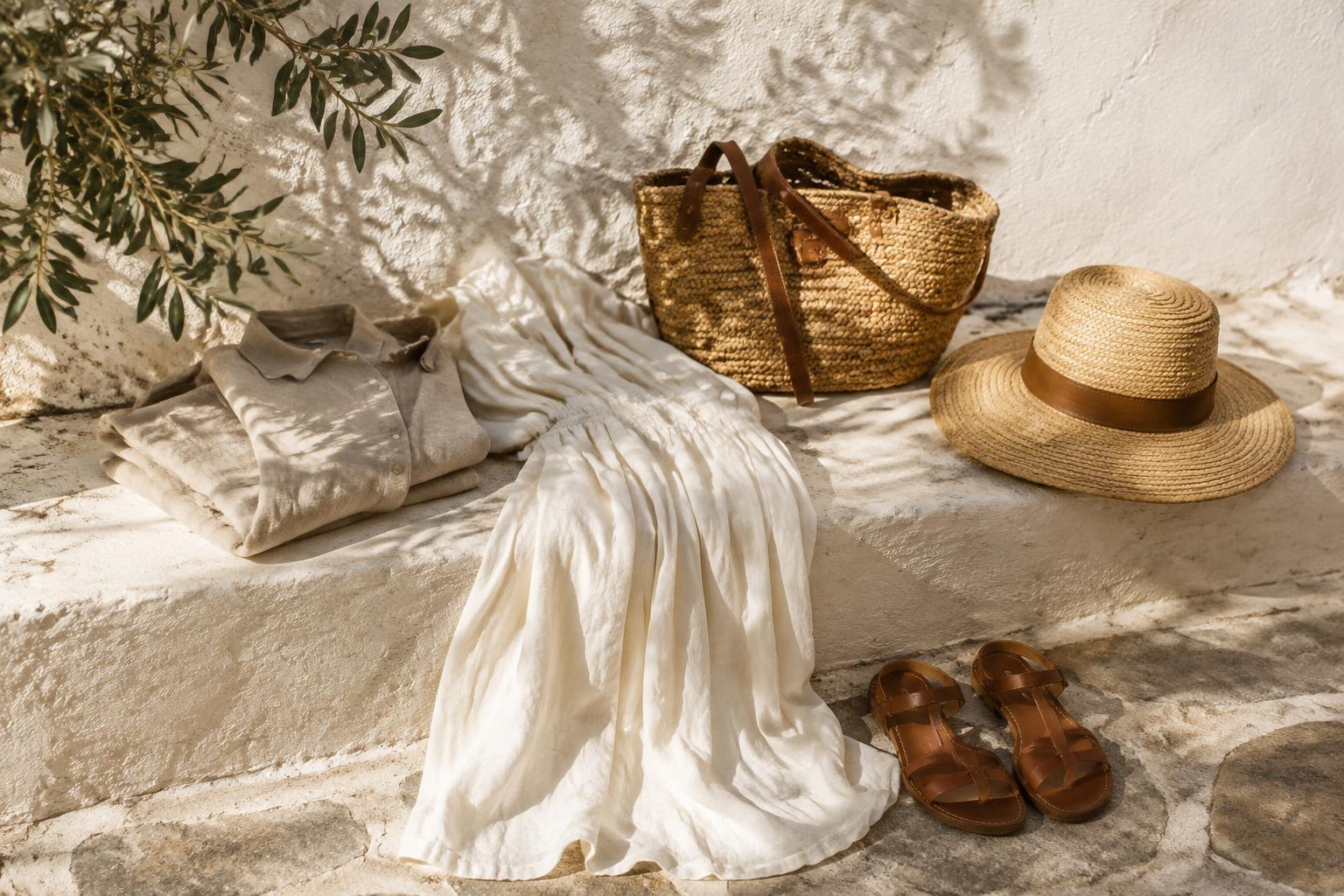
Andalusia invites a wardrobe that feels considered rather than complicated. Linen shirts, relaxed trousers, flowing dresses, leather sandals and a woven bag are natural companions to its warm palette of sand, ivory, olive and terracotta.
Practicality matters as much as appearance. Comfortable walking shoes are essential for cobbled streets and historic centres, while a light layer can be useful after sunset or outside the hottest months. In summer, breathable fabrics, sun protection and a hat are sensible essentials.
The point is not to dress for the photograph. It is to feel at ease in the landscape — whether crossing a sunlit plaza, lingering over lunch or walking beside the water as evening approaches.
The coast at golden hour
As the sun descends, the Andalusian coast changes character. The brightness of midday gives way to softer colours, the water catches the last light and the beach becomes a place for walking rather than simply arriving.
Choose a stretch of shoreline, leave the schedule behind and follow the water until the sky begins to deepen. Along parts of the Costa del Sol, the coastline is lively and developed; elsewhere, quieter coves and less urbanised beaches offer a greater sense of escape. Conditions vary by location and season, so it is worth choosing your base according to the kind of coast you want.
This is perhaps when Andalusia feels most itself: not as a collection of famous sights, but as a succession of small, unremarkable pleasures that somehow stay with you.
Planning your escape
When to go: Spring and autumn are excellent periods for exploring cities and villages in more comfortable temperatures. Summer brings long, bright days and lively coastal resorts, but inland cities can become extremely hot. Winter is generally milder along the coast, though mountain areas can be cold.
How long to stay: Allow five to seven days for a relaxed introduction to Málaga, the nearby coast and one or two white villages. With ten days or more, consider adding Granada, Córdoba or Seville, each with its own architectural and cultural identity.
Getting around: Málaga and Seville have useful public transport connections, and rail services link several major cities. A rental car offers greater flexibility for exploring smaller villages and rural areas, although parking in historic centres can be difficult.
What to remember: Andalusia is a large and varied region. Distances can be greater than they appear on a map, so resist the urge to see everything in one trip.
A different measure of luxury
Perhaps the most compelling thing about Andalusia is the way it makes room for both discovery and stillness. You can spend a morning among centuries of history, an afternoon beside the sea and an evening at a table where dinner unfolds without hurry.
There is no single way to experience the region, and no perfect itinerary that captures all it offers. Sometimes the most rewarding plan is simply to choose a beautiful place, stay long enough to notice its details and allow the day to take its own shape.
The luxury is not in doing nothing. It is in having the time to notice everything.
Kaya Rumi — a life, thoughtfully lived.
À lire aussi
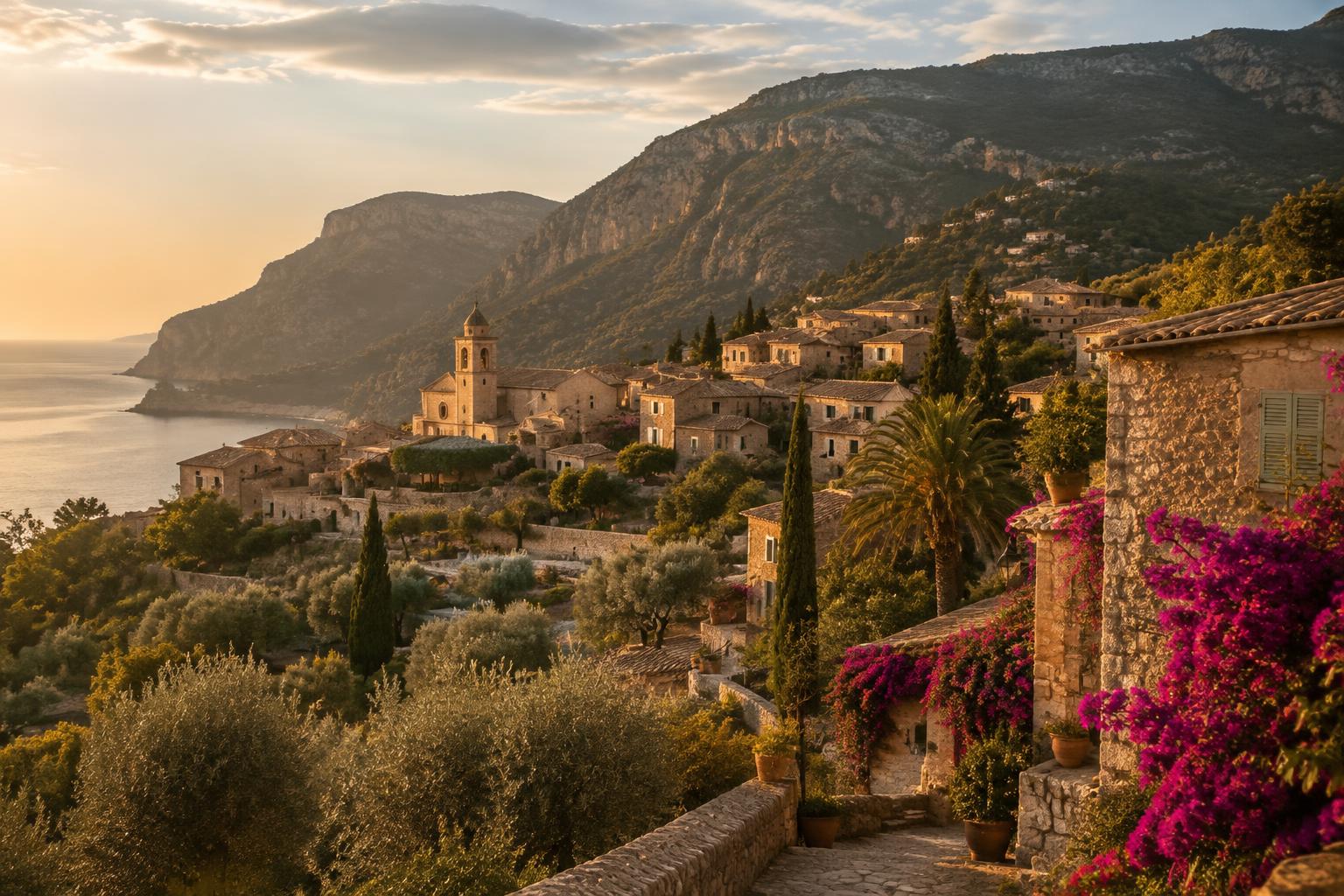
Voyage· EN
Mallorca, Slowly
The island of stone villages, blue water and long afternoons — where the best moments are rarely on the itinerary.
7 min de lecture · 8 octobre 2026
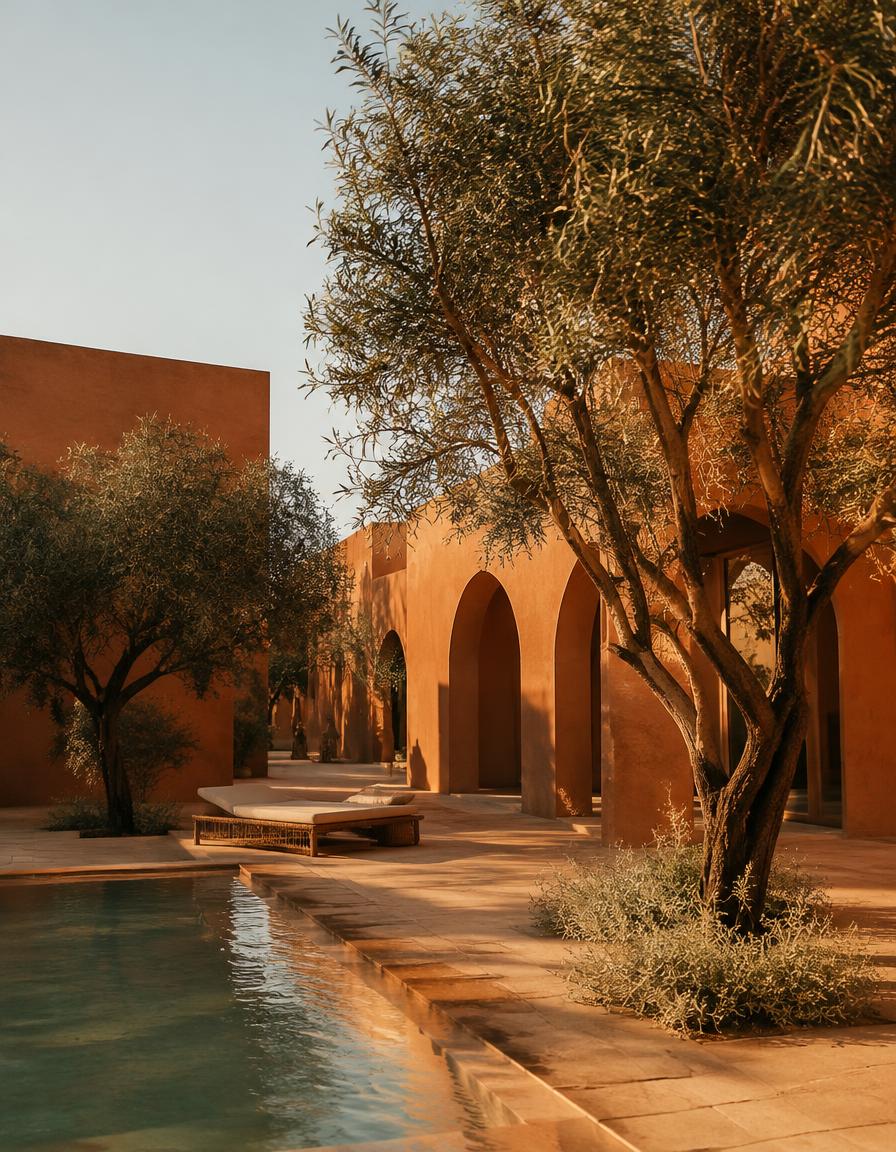
Voyage
De belles échappées pour votre prochaine pause
Patios, oliviers et le calme singulier d'un après-midi dans le désert — des séjours qui valent le voyage.
8 min de lecture · 4 octobre 2026
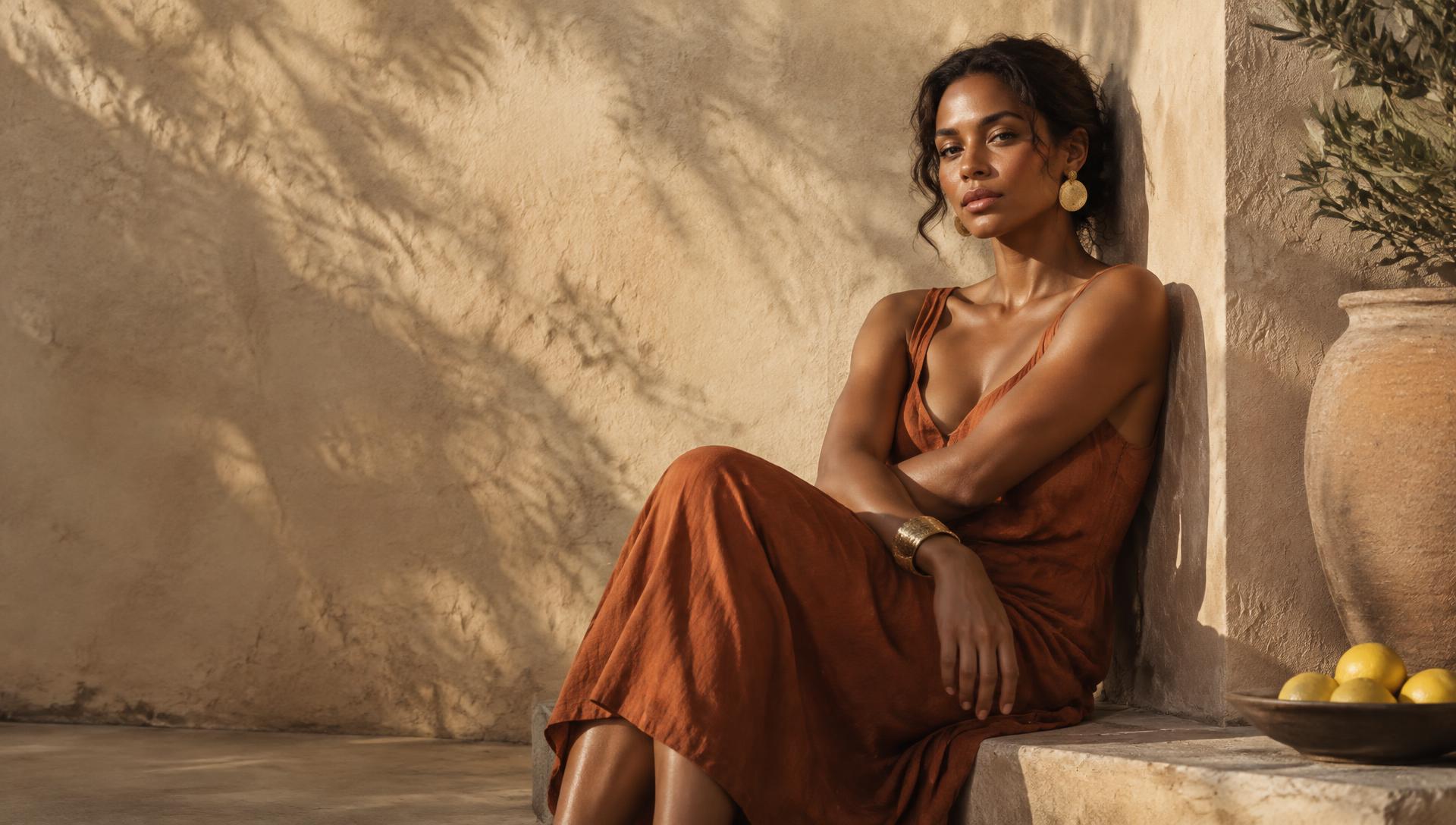
Bien-être
L'art de prendre du temps pour soi
Le temps pour soi ne se trouve pas. Il se crée — doucement, délibérément, sans s'excuser.
6 min de lecture · 2 octobre 2026
✦
The Kaya Letter
Beauté, bien-être, style et petites choses à savoir — de temps en temps.